
AFS aims to provide 30% of our students with scholarships or grants
Find out about our range of scholarships, grants and fundraising
Find out about our range of scholarships, grants and fundraising
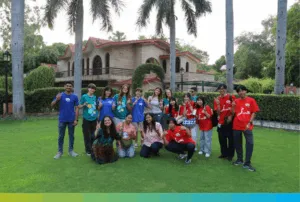
You may be hosted anywhere in India.
No matter where you are, families often live together in multi-generational homes. Grandparents, parents and children share strong bonds and spend as much time together as they can.Respect for elders is very important, and sharing meals is a central aspect of Indian family life.
Your host family will be your guides to discover India’s culture by sharing their family traditions, regional cuisine and cultural traditions with you.
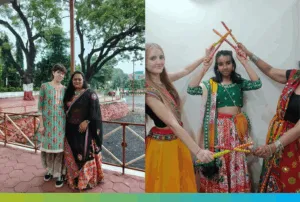
1,600 languages are spoken across India!
The Constitution recognises 22 languages, with Hindi and English being the official government languages. India has the largest English-speaking population in the world, and English is the language of higher education and business.
You can expect to use English during your AFS programme, but why not try learning a bit of a local language while you’re there?
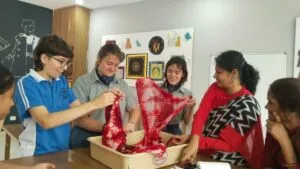
India has one of the largest education systems in the world. Education is quite demanding, and you can expect to spend a lot of time with your classmates. You may be enrolled in a ‘public’ school (which are equivalent to a private school in New Zealand).
You will choose one of the four tracks of study: engineering, medical, commerce or liberal arts. Most exchange students opt for the liberal arts track, where they learn economics, history, philosophy, psychology, sociology etc. Schools also offer lots of extracurricular activities, such as art and debating and sports like cricket or basketball.
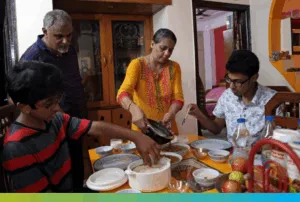
Indian cuisine is a diverse blend of flavours and traditions, featuring dishes like spicy curries, biryanis, dosas and samosas. Each region offers unique specialties, from North India’s rich, creamy gravies to South India’s tangy, coconut-infused fare.
Traditional meals typically include rice, roti, or both, accompanied by multiple side dishes like curries, dals, pickles and chutneys. Vegetables, beans and lentils are staples, and meat is served less often.
A large proportion of India’s population is vegetarian.
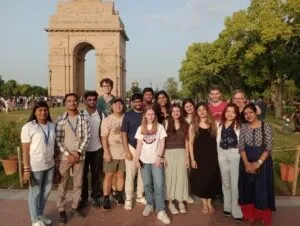
Indian culture is a deeply rooted tapestry of diverse religions, languages, and traditions that prioritize family values and a profound respect for elders. It is famous for its vibrant festivals, intricate art forms, and a rich culinary heritage where food is a central symbol of hospitality and community.
At its heart, Indian culture is about bringing people together with warmth and kindness.

India is a mosaic of religions, including Hinduism, Islam, Christianity, Sikhism, Buddhism, and Jainism. Each faith contributes to the country’s vibrant culture, festivals, and traditions.
People across India are tolerant of every faith and you can practise any religion you want, without constraints.
Religious tolerance is very important for any AFS participant in India.
With over 75 years of experience in student exchanges, we know what we’re doing when it comes to support and education! AFS provides comprehensive orientation for all students and families before, during and after your exchange – AFS volunteers and staff will be there to support and guide you the whole way through. In-person orientation camps in New Zealand and your host country are supplemented by our world-leading online Student Learning Journey, an interactive course that brings AFSers from around the world together to develop essential global skills, learn intercultural communication techniques, and practice social impact.