
AFS aims to provide 30% of our students with scholarships or grants
Find out about our range of scholarships, grants and fundraising
Find out about our range of scholarships, grants and fundraising
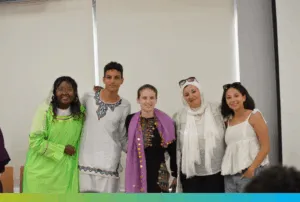
Life in Egypt usually revolves around extended family, religious events and activities. The majority of people in Egypt is Muslim. There is also a significant number of Christians (approx. 10%), but not many other religions. You can be hosted throughout Egypt, most likely in urban and suburban areas of Alexandria, Cairo, El Fayoum, El Menya, Giza, Ismailia, Port Said and Tanta. If you’re in an urban area, expect to live in an apartment, while people in more rural areas usually live with extended family in a big house.
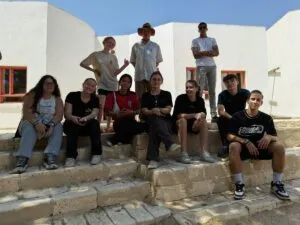
The Egyptian education system has four different kinds of schools: governmental schools (where they study everything in Arabic), experimental schools (where they study most subjects in Arabic and few in English), private schools (where they study most subjects in English and a few in Arabic) and international schools (where they study in a system of another country, e.g. the USA). Most AFS students in Egypt attend a private or international school, and some go to an experimental school.
The school year runs from September to June, with a two-week break in January. The school week starts on Sunday and ends on Thursday.
Most schools have a uniform.
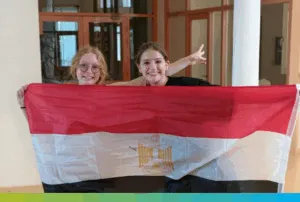
The official language of Egypt is Arabic, with many regional dialects spoken all over the country. English is also commonly used and is taught in schools starting with first grade.
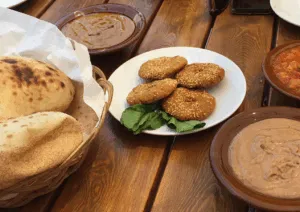
The Egyptian diet is typically rich in beans, bread, rice, vegetables and fruits. Lunch is the most significant meal of the day and is often followed by an afternoon rest. Falafel (fried bean balls) and koshary (a dish of rice and lentils) are popular street food that can be purchased from street vendors all over Egypt.
For religious reasons, most people eat halal food. It is very rare to see pork in shops or restaurants. Vegetarian and vegan diets are uncommon, and may be difficult to accommodate.
View this post on Instagram
With over 75 years of experience in student exchanges, we know what we’re doing when it comes to support and education! AFS provides comprehensive orientation for all students and families before, during and after your exchange – AFS volunteers and staff will be there to support and guide you the whole way through. In-person orientation camps in New Zealand and your host country are supplemented by our world-leading online Student Learning Journey, an interactive course that brings AFSers from around the world together to develop essential global skills, learn intercultural communication techniques, and practice social impact.
The PEACE Programme or Peace through Exchange and Active Citizenship Education is a secondary school trimester programme which aims at empowering and enabling young people to become active citizens. The participants stay with host-families and go to high school in a European country. At the end of the programme, all participants of the PEACE programme come to Belgium for a five-day camp with a focus on Active Global Citizenship in Europe.