
AFS aims to provide 30% of our students with scholarships or grants
Find out about our range of scholarships, grants and fundraising
Find out about our range of scholarships, grants and fundraising
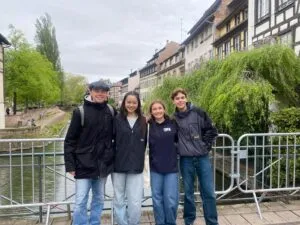
Germany stretches from flat farming country and two beautiful coastlines in the north, across rolling hills and fairytale villages in the centre to the majestic Alps in the south. The country is world-renowned for its rich cultural history, festive celebrations and vibrant arts scene. Considered the economic powerhouse of Europe, Germany is also a front runner in the fields of renewable energy and conservation.
Germans are generally straight talkers, valuing honesty and openness. Stating your own opinion is valued and important. Famously precise and punctual, Germans will appreciate you being on time, every time!
The country enjoys a high standard of living, and many Germans enjoy discussing current affairs, politics, culture, sports and the environment.
German is the official language in Germany. Depending on where in the country you are, there may be regional dialects.
Behind Russian, German is the second most spoken language in Europe; you will find native German speakers in Switzerland, Belgium, Luxembourg, Liechtenstein and Austria.
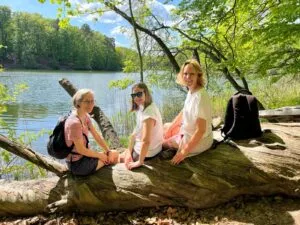
You’re most likely to be hosted in a small town or rural area. Most families are relatively small, with one or two children. Family life and social order are important in Germany, but so is independence.
Relationships between parents and children are generally based on trust. Parents expect to be informed and consulted and in return, most teenagers enjoy a lot of freedom. Direct and honest communication between parents and children is common and appreciated.
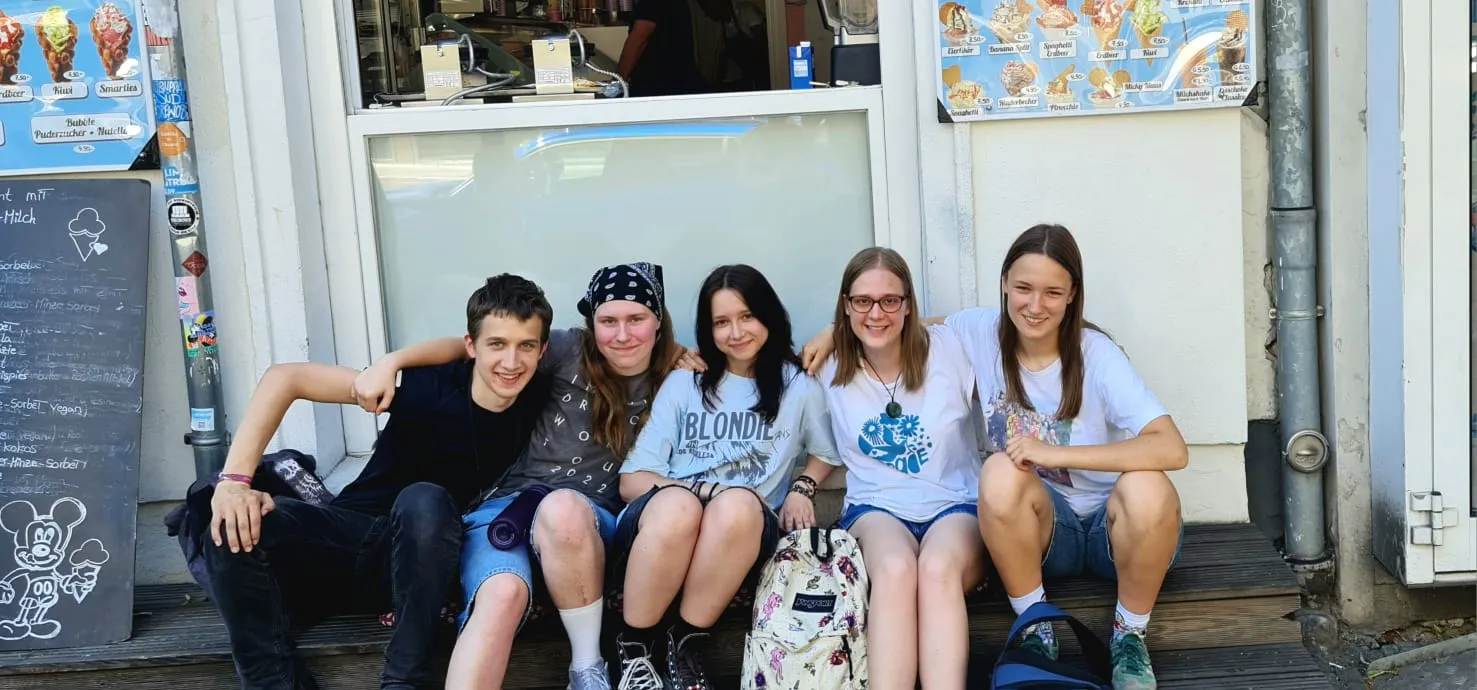
The German education system has four different secondary school options, streaming students based on their academic performance. You’ll most likely attend a university prep school called a Gymnasium (which goes up to year 12 or 13, depending on the state you are in), but you could also be enrolled in a Realschule (which only goes up to year 10) or Gesamtschule (a comprehensive school, covering all streams).
In Germany, students usually go to school Monday through Friday, though in some areas they also go to school on Saturdays. The school day usually begins around 8am and often ends between 1pm and 4pm (sometimes later). The relationship between students and their teachers is usually both friendly and respectful in Germany.
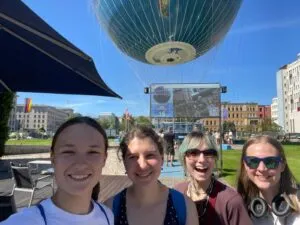
German cuisine is often rich and differs depending on the region. Red meat, poultry or fish served with potatoes, dumplings, noodles or rice, and vegetables are popular. Germany is famous for its many types of bread and cakes like the Schwarzwälder Kirschtorte (Black Forest Gateau). They also have around 1,000 varieties of sausage!
Before a meal, your host family might say, “Guten Appetit,” which invites you to enjoy your meal. A hot meal is usually served once a day. Meals are served at specific hours, and all family members are expected to dine together and be on time.
View this post on Instagram
With over 75 years of experience in student exchanges, we know what we’re doing when it comes to support and education! AFS provides comprehensive orientation for all students and families before, during and after your exchange – AFS volunteers and staff will be there to support and guide you the whole way through. In-person orientation camps in New Zealand and your host country are supplemented by our world-leading online Student Learning Journey, an interactive course that brings AFSers from around the world together to develop essential global skills, learn intercultural communication techniques, and practice social impact.